Etsy Personalization Trends Sellers Can Scale
Learn which Etsy personalization trends affect demand, pricing, production, and buyer expectations - then build a shop ready to scale efficiently today.
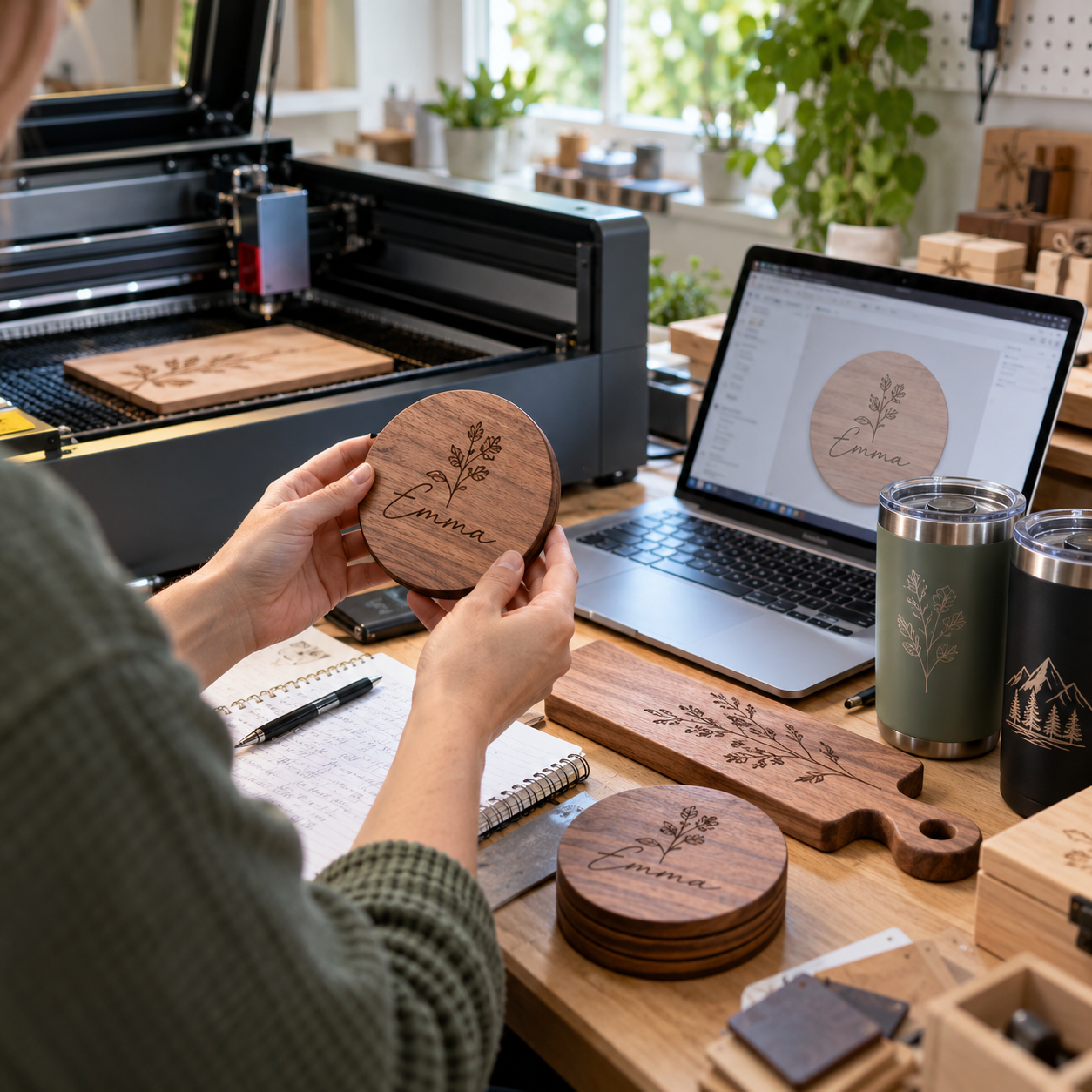
A buyer is not searching for a generic mug, necklace, or wall print. They are searching for a gift that proves someone paid attention. That is why Etsy personalization trends continue to matter for sellers: customization can raise perceived value, make products harder to compare on price alone, and create strong reasons to buy now.
But personalization also adds operational risk. Every new option can introduce more messages, more production decisions, more opportunities for errors, and more pressure on fulfillment timelines. The sellers who benefit most are not necessarily offering the most choices. They are building a personalization system customers can understand and their team can deliver consistently.
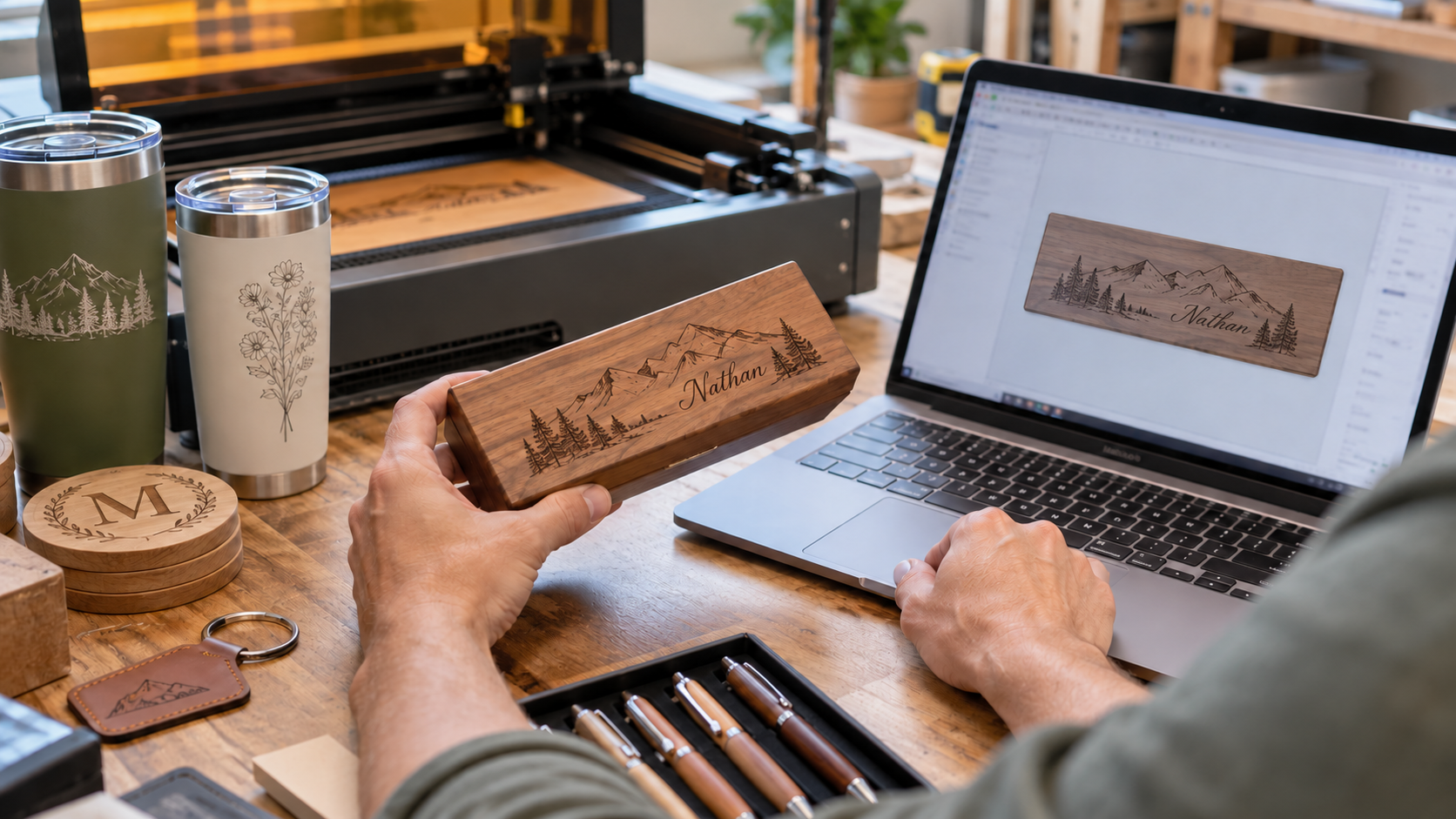
Etsy Personalization Trends Are Moving Toward Meaningful Choice
Personalization is no longer limited to adding a first name in one standard font. Buyers increasingly expect products to reflect a relationship, a moment, or a specific identity. That can mean a pet portrait, a family birth-flower arrangement, a custom location, a handwritten note, a memorial date, or wording that feels personal without being overly elaborate.
The commercial opportunity is clear. Meaningful details help a product fit occasions where buyers are emotionally invested: weddings, anniversaries, new babies, graduations, housewarmings, birthdays, and remembrance gifts. When the item carries emotional weight, customers are often more willing to pay for customization and accept a reasonable production window.
The trade-off is complexity. A listing that allows unlimited text, multiple layout paths, several color choices, optional add-ons, and customer-uploaded images may appear flexible, but it can slow down every order after checkout. The better model is guided customization. Offer options that produce a noticeably personal result while keeping the production path predictable.
For example, a personalized family print may offer a fixed selection of sizes, a limited palette, and a structured format for names and dates. The buyer still receives something unique. Your team receives order details that are easier to validate, produce, and ship.
Personalization is becoming more visual
Buyers want to see what they are purchasing before they commit. Clear listing images that show multiple real examples, readable option guides, and accurate mockups reduce uncertainty. This matters even more for items with names, photos, handwriting, or custom illustrations, where buyers may worry about how their information will appear on the final product.
Visual clarity is not just a conversion tool. It is an operations tool. If customers understand the format, character limits, placement, and color choices before ordering, you spend less time clarifying requests after the sale. Build images and descriptions around the questions your inbox receives most often.
For highly custom products, proofing can be a strong value-add, but it is not automatically the right choice. Proof approvals increase confidence for higher-ticket items, wedding products, and designs where a typo would be costly. For low-cost, high-volume products, mandatory proofs can make margins disappear. State the policy clearly: whether a proof is included, how many revisions are allowed, and what happens if the buyer does not respond.
The Most Valuable Customization Is Often Curated
More options do not always create more sales. Too many choices can make a listing difficult to buy from and difficult to fulfill. A customer who must choose among 30 fonts, 40 colors, five layouts, and several wording fields may abandon the purchase. A seller who accepts every possible combination may struggle to maintain quality at volume.
Curated personalization creates control. It gives buyers enough room to make the gift theirs while setting boundaries that protect your process. The exact balance depends on the category. A digital template shop can offer more editable flexibility because the fulfillment cost is low. A handmade engraved product needs tighter rules because each variation affects materials, setup, and labor.
Start by identifying which options actually change buying behavior. Keep the choices customers select often or that support a clear price premium. Reconsider options that cause frequent questions, production delays, or remake requests without adding meaningful revenue.
This is also where product bundles can work well. Rather than asking buyers to build a completely custom set from scratch, offer coordinated options such as matching family ornaments, bridal party gifts, or milestone bundles. The buyer gets a cohesive result, and your shop gets a repeatable production format with a higher average order value.
Faster Expectations Require Better Boundaries
Personalized products have traditionally justified longer turnaround times. Buyers still understand that custom work takes time, but marketplace expectations are moving toward faster communication and clearer delivery estimates. The issue is not always the number of days in your processing time. It is whether the buyer knows what will happen next.
Set expectations before purchase, not in a message after the order is placed. Explain exactly what information is needed, when customization begins, whether changes are possible, and how processing time is calculated. If a proof is required, explain that the production clock starts after approval. If you offer rush production, make sure the rush fee reflects the real disruption to your workflow.
Avoid promising speed that depends on perfect conditions. A short processing time can drive sales, but it becomes expensive when a surge, supplier delay, or complex request leads to late orders and stressed staff. Build an operating buffer for the products with the highest customization risk.
Seasonality makes this especially important. Holiday shoppers may place personalized orders late, and sentimental occasions rarely move. A firm order cutoff, visible production timelines, and a limited set of holiday-ready designs can protect both customer experience and your capacity.
AI Can Support Ideas, Not Replace Product Quality
AI-assisted design and writing tools are influencing how sellers create concepts, generate product copy, and respond to common buyer questions. Used carefully, they can speed up early-stage work. They can help organize theme ideas, create a first draft of a listing description, or turn repeated customer questions into clearer instructions.
They do not solve the core challenge of a personalized business: producing an accurate, well-made item that reflects what the buyer ordered. Generic artwork, copied-feeling language, and poorly checked details can weaken the trust that makes personalized goods valuable.
Treat AI as a support layer, not your quality-control process. Every name, date, uploaded image, and design detail still needs a reliable human review step where appropriate. Sellers with repeatable systems will get more value from new tools than sellers who use them to add uncontrolled variations.
Build an Operating System Around Personalization
Customization becomes difficult when order information lives in too many places. One detail is in the order notes, another is in a buyer message, a reference image is in a separate conversation, and the production status exists only in someone’s memory. That may be manageable at 10 orders a week. It is not a stable way to run a growing shop.
Create a standard order path from purchase to delivery. Every custom order should move through the same essential checkpoints: information received, details validated, proof status if needed, production queued, item completed, and shipment confirmed. The goal is not bureaucracy. It is making sure a busy day does not turn a missing detail into a late or incorrect order.
Your product setup should support that workflow. Use consistent option names across related listings, define character limits, and write personalization instructions in a format buyers can follow quickly. Standardize internal naming conventions for files and designs so anyone handling the order can find the right version without guessing.
As order volume rises, centralizing this work becomes more valuable. A system such as Gainsy can give Etsy sellers one place to manage the operational side of the shop instead of piecing together order status, tasks, and daily priorities across scattered workflows. The purpose is simple: give customization a process that can handle more sales without creating more chaos.
Track the metrics behind custom order profitability
Revenue alone can hide a problem. A personalized listing can look like a winner because it sells often, yet consume disproportionate time in messaging, design adjustments, and remakes. Review the operational cost behind your bestsellers.
Pay attention to average order value, time spent per order, remake rate, message volume before and after purchase, and on-time shipment performance. If a product has strong demand but a high error rate, simplify the order form or revise the listing visuals. If a product consistently earns larger orders with little extra work, consider building adjacent products around the same production template.
Pricing should account for customization labor, not just materials. A small add-on fee may be appropriate for a simple name field. It is rarely sufficient for multiple revisions, image cleanup, custom illustration, or special layout requests. Clear tiers make it easier for buyers to choose and easier for you to protect margin.
Choose Trends That Fit Your Capacity
Not every Etsy personalization trend deserves a place in your catalog. Trend-driven designs can bring traffic, but they can also create short-lived demand and an inventory of concepts that do not fit your brand. The strongest opportunities usually sit at the intersection of buyer demand, your existing skills, and a workflow you can repeat.
Before adding a new custom product, test it with a controlled version. Limit the choices, document the production steps, and watch where customers get confused. If it sells and runs smoothly, expand from there. If it creates excessive back-and-forth, adjust the product before scaling the marketing.
The best personalized products make the buyer feel seen while making the seller more disciplined. Build for that balance, and each custom order can become proof that your shop is growing with control, not just getting busier.